

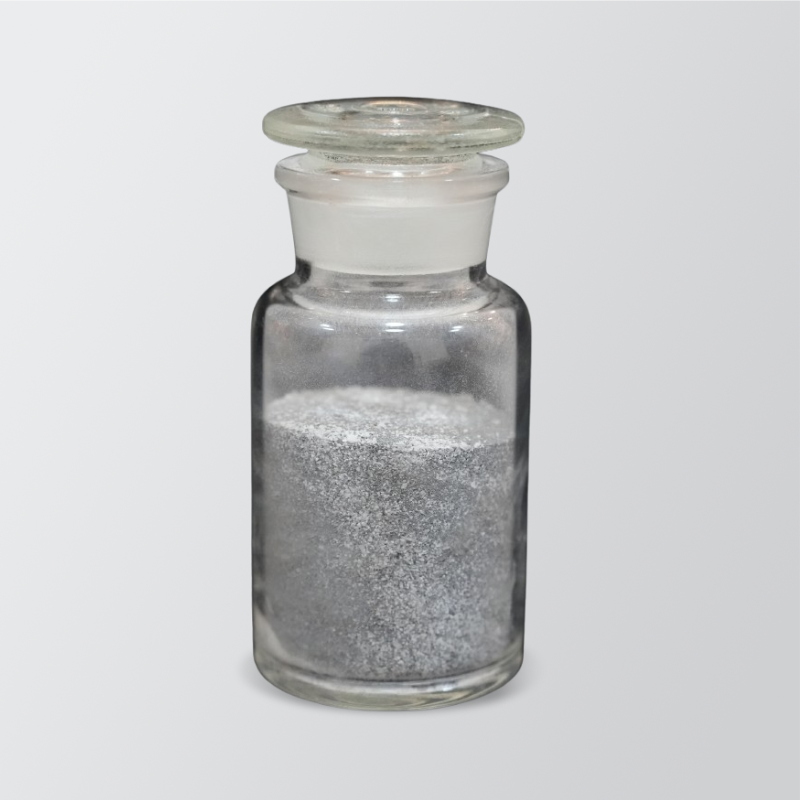
Chromium Additives: Enhance Aluminum Alloys & Resist Corrosion
Overview of Chromium Additives in Aluminum Alloys
Chromium additives play a critical role in enhancing the properties of aluminum alloys. These additives are introduced into aluminum melts in the form of chromium-aluminum alloys (Al-Cr) or pure chromium to improve the final product's performance. During smelting, chromium is added to the molten aluminum and stirred thoroughly for uniform distribution, with typical chromium content ranging from 0.1% to 0.3%.
Usage
In cast aluminum alloys, chromium content generally falls between 0.1% and 0.2%, while in high-strength aluminum alloys, it may be higher. The melting temperature is controlled between 700°C and 800°C to ensure the chromium additive fully dissolves.
Main Advantages
- Improve corrosion resistance: Chromium enhances aluminum alloys' corrosion resistance, making them ideal for marine and humid environments.
- Enhance material properties: Chromium significantly boosts the strength, hardness, and wear resistance of aluminum alloys.
- Improve heat resistance: Enhancements in heat resistance enable aluminum alloys to retain their strength and stability at high temperatures.
- Refine grains: Chromium refines the grain structure, thereby improving mechanical and processing properties.
- Cost-effectiveness: Despite a higher price, chromium additives offer significant performance improvements, adding value.
- Environmental protection: Chromium by-products are environmentally harmless when managed properly.
Packaging and Storage Methods
Chromium agents are typically moisture-proof packaged using woven bags or iron barrels lined with plastic bags. Block forms may be packaged on pallets or in wooden boxes. For optimal storage, keep products in a dry, well-ventilated warehouse, away from corrosive and flammable substances.
Precautions
- Utilize protective gear such as gloves, masks, and goggles to avoid direct contact and inhalation.
- Ensure operations are conducted in well-ventilated environments to mitigate respiratory tract irritation from chromium dust.
- Avoid excessive chromium addition to prevent deterioration in aluminum alloy performance.
- Prevent exposure to moisture to avoid agglomeration and compromised effectiveness.
- Handle waste residue according to environmental regulations to prevent contamination.
Enhanced Properties of Aluminum Alloys
- Corrosion resistance: Ideal for marine and damp environments.
- Strength: Suitable for applications requiring high strength.
- Heat resistance: Maintains stability at elevated temperatures.
- Grain refinement: Improves mechanical and processing properties.
- Casting properties: Reduces defects, improving casting quality.
 Privacy settings