

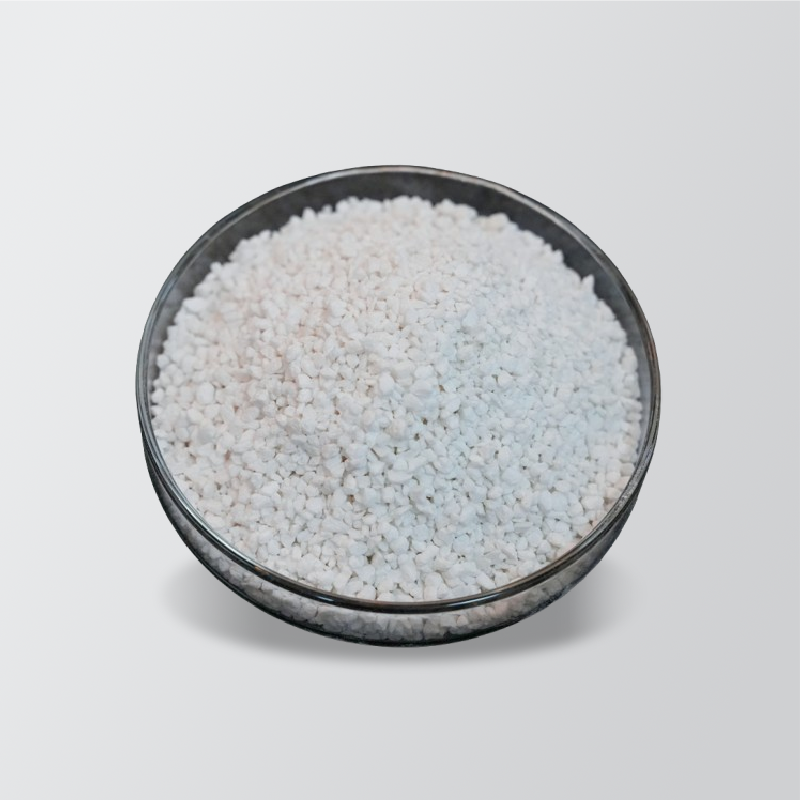
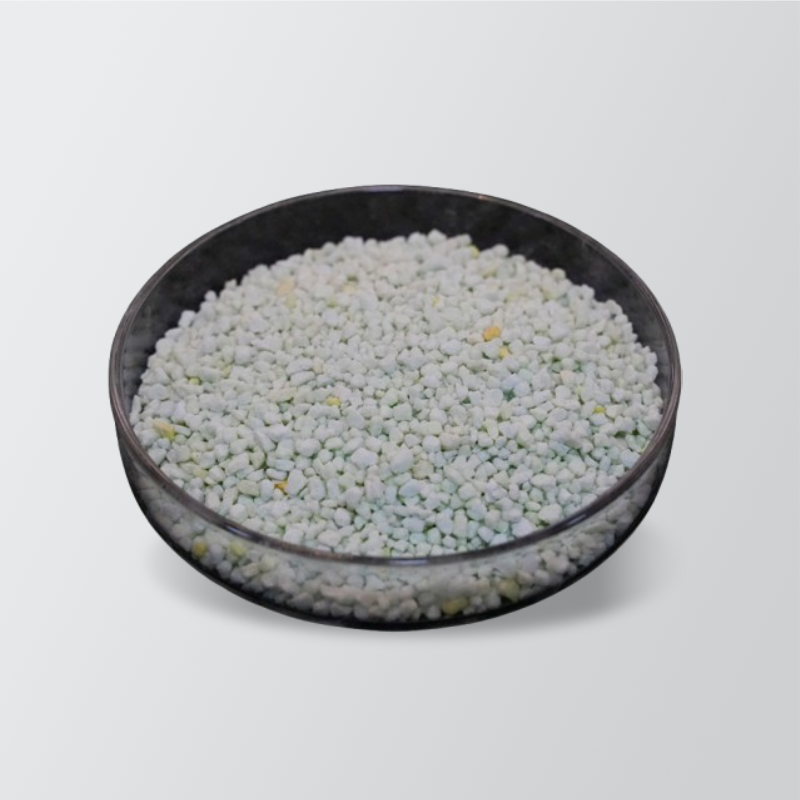
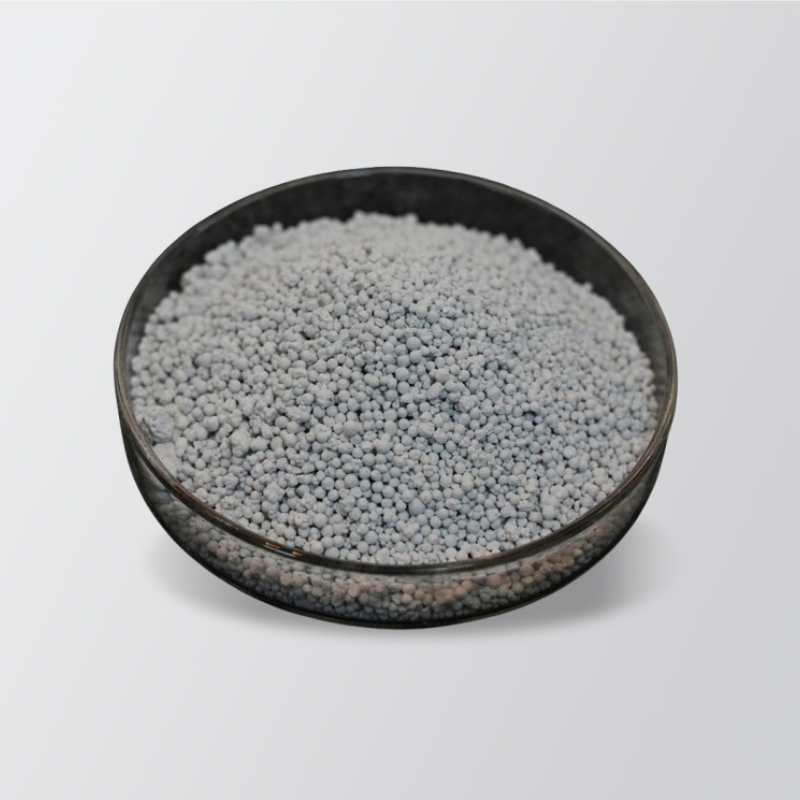
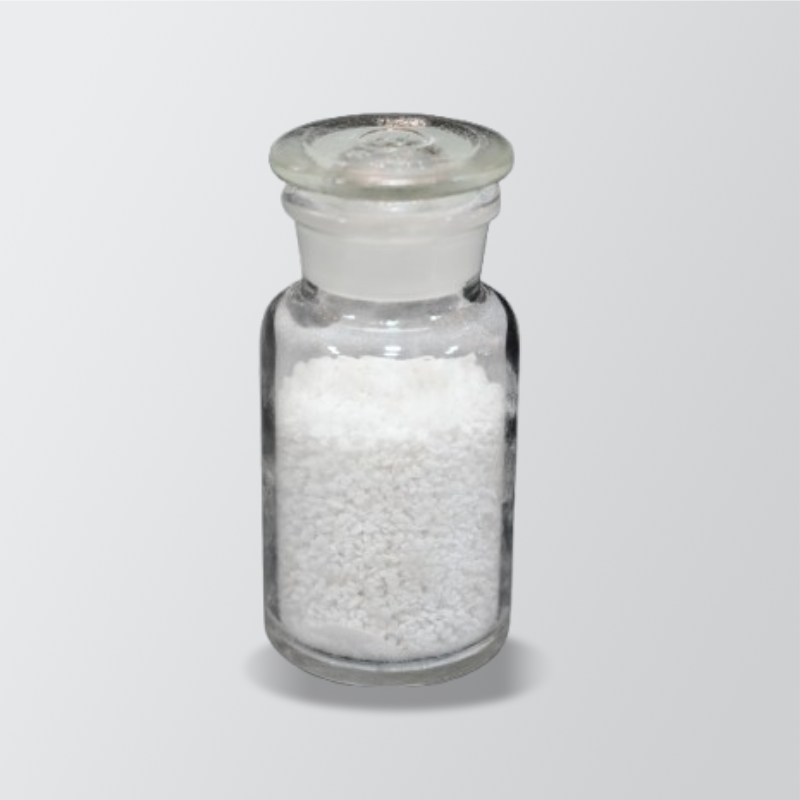
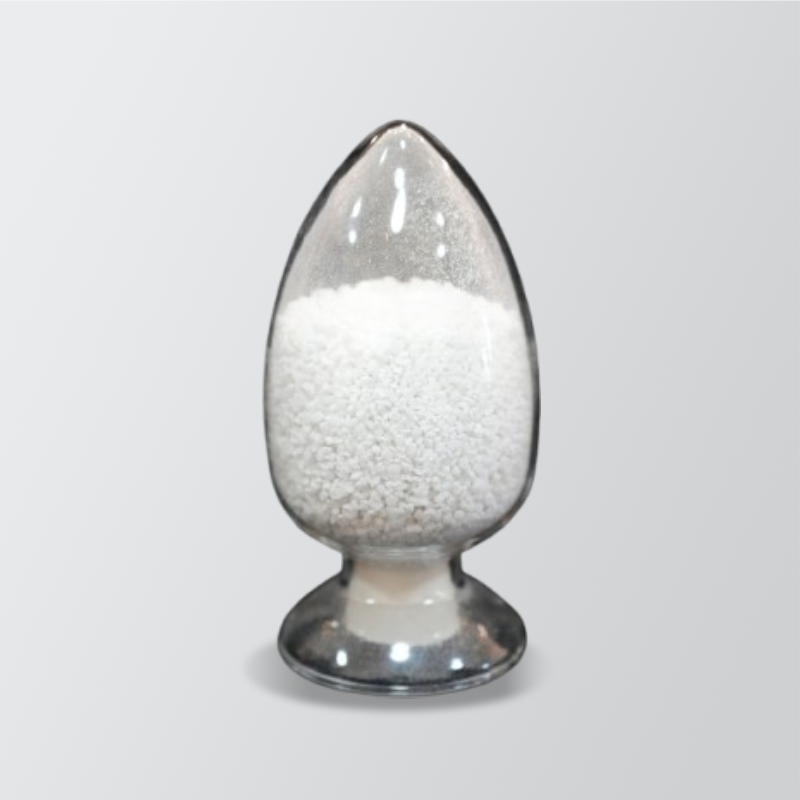
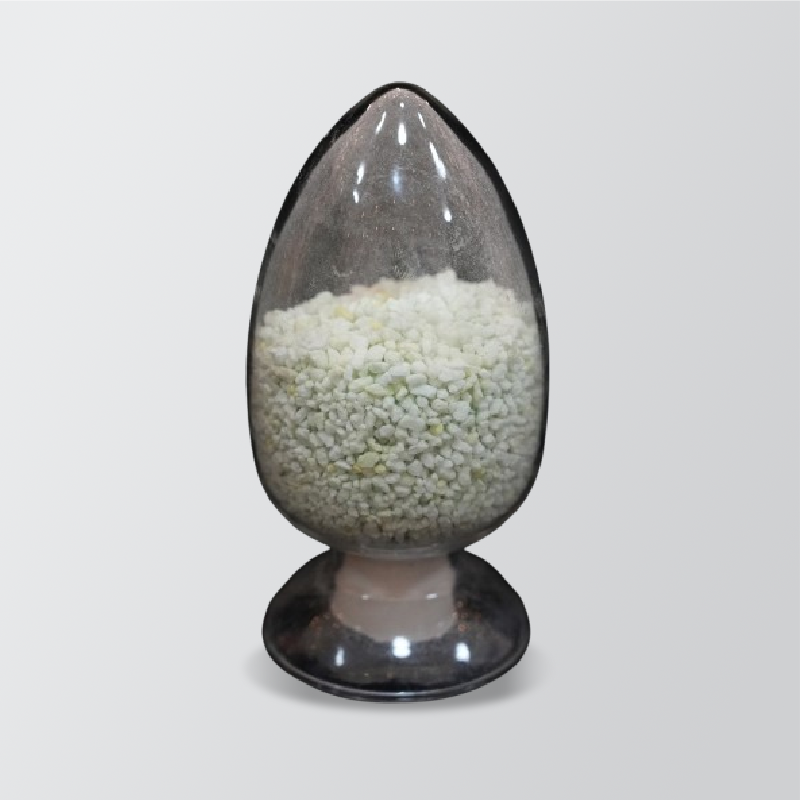
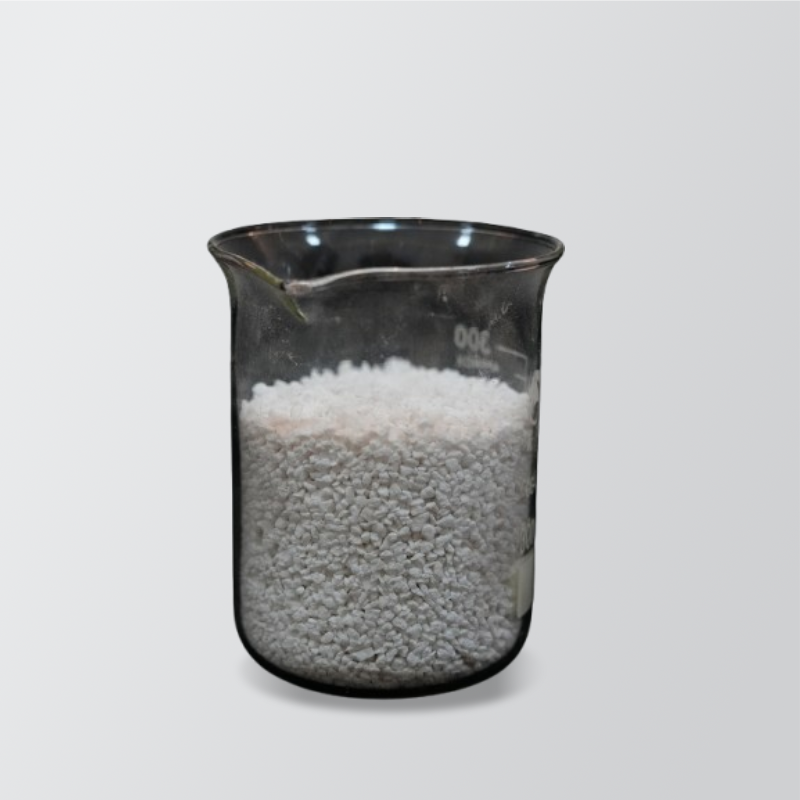
Aluminum & Non-Ferrous Metal Granular Refiner Expert
Key Ingredients in Granular Refiners
The composition of granular refiners varies based on the metal being processed. Here are some common key ingredients used:
- Chlorides: Ingredients like sodium chloride (NaCl) and potassium chloride (KCl) are utilized to eliminate oxides and gases.
- Fluorides: Compounds such as calcium fluoride (CaF₂) and sodium fluoride (NaF) enhance the refining process significantly.
- Carbonates: Sodium carbonate (Na₂CO₃) and calcium carbonate (CaCO₃) are employed for desulfurization and dephosphorization.
- Rare Earth Elements: Elements such as lanthanum (La) and cerium (Ce) are used to refine grains and enhance metal properties.
- Other Additives: These include silicates, aluminates, etc., tailored for refining specific metals.
Methods of Using Granular Refiners
Employing the right method is crucial for optimizing the refining effects of granular refiners. Here are some effective methods:
- Direct Addition: Sprinkle the granules directly onto the molten metal surface and use stirring or natural convection for even distribution.
- Blowing Method: This involves spraying the refining agent into the molten metal using a blowing device to enhance the effect.
- Pressing Method: Suitable for large-scale smelting, where the agent is pressed into the molten metal.
It's important to control the dosage based on the metal type, impurity content, and type of refining agent, usually between 0.1% and 0.5% of the metal's weight. Proper stirring and standing allow impurities to rise or sink for effective removal.
Usage Precautions for Optimal Refining
There are several precautionary measures to consider for efficient refining:
- Temperature Control: Ensure the molten metal is at an appropriate temperature, as extremes can affect refining efficiency.
- Even Distribution: The refining agent must be uniformly distributed to avoid local excess or inadequacy.
- Safety Protection: Mitigate risks by avoiding dust inhalation and contact with high-temperature metals during operation.
Benefits of Using Granular Refiners
Utilizing granular refiners provides numerous benefits, including:
- Impurity Removal: Effectively expels gases like hydrogen and oxygen and non-metallic inclusions such as oxides and sulfides from molten metal.
- Enhanced Metal Properties: Improves mechanical properties, conductivity, and corrosion resistance through purification.
- Grain Refinement: Refines metal grains, improving the microstructure and enhancing strength and toughness.
- Improved Fluidity: Increases the fluidity of molten metals, facilitating easier casting and molding processes.
 Privacy settings